
How to Choose the Right Diagnostic Device?
-
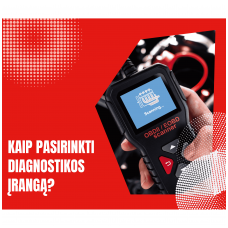
Choosing the right diagnostic device from a vast selection can be a challenging task. With numerous models and features available on the market, it's essential to carefully assess your needs and capabilities.
Automotive diagnostic devices are becoming increasingly popular not only among auto service professionals but also among drivers who wish to independently maintain their vehicles. However, the market offers a wide variety of models—from simple scanners to advanced professional systems. How do you choose the right device for your needs? In this article, we will overview the main criteria to consider when selecting diagnostic equipment.
Main Types of Diagnostic Devices
-
OBD Scanners
These devices typically read only engine error codes and display basic engine sensor parameters. They are the simplest and most affordable options, suitable for amateur use.
Popular models:
- YA100
- Thinkobd100
-
Semi-Professional Devices
These devices can read not only engine errors but also other systems such as ABS, transmission, airbags, instrument panel, comfort modules, etc. They provide more comprehensive diagnostics and are suitable for both enthusiasts and small-scale mechanics.
Popular models:
- BT200
- Ediag Elite
-
Semi-Professional Devices with Coding Functions
This is an enhanced version of semi-professional devices, offering additional coding and programming capabilities. These devices allow not only diagnostics but also making certain control unit changes, configurations, and additional service tasks.
Popular models:
- Thinkdiag
- Topdon Topscan PRO
-
Professional Diagnostic Devices
These are the most powerful diagnostic devices, featuring full coding and programming functions. They are designed for auto services and professionals who work with various cars and perform complex diagnostics and programming tasks.
Popular models:
- Topdon Phoenix series
- All Obdstar models
Additional Selection Criteria
When choosing a diagnostic device, it's important to consider the following aspects:
-
Compatibility with Operating Systems – Some devices work only with Android, others with iOS, while professional models may be adapted for Windows environments.
-
Device with or without a Tablet – Some models have an integrated screen and tablet, while others require the use of a smartphone or computer.
-
Connection Type – Diagnostic devices can operate via cable or wirelessly through Bluetooth or Wi-Fi. Wireless models offer more mobility but may be more susceptible to connection issues.
-
Price and Quality – While price is an important factor, it's advisable not to choose the cheapest option, as it may not meet your needs or be unreliable. It's important to find a balance between price and quality, considering the device's functionality and durability. Investing in quality diagnostic equipment can help save money in the long run by avoiding costly repairs.
-
Reviews and Recommendations – Before purchasing a diagnostic device, it's worth reviewing other users' feedback and recommendations. This will help form an opinion about the device's reliability, functionality, and potential drawbacks. It's also useful to consult with specialists or friends who already use such equipment.
-
Software Updates and Technical Support – The automotive industry is constantly evolving, so it's important that your chosen diagnostic device has the capability to receive software updates. This ensures that the device will be compatible with the latest car models and diagnostic protocols. Additionally, pay attention to the manufacturer's technical support and warranty conditions.
By considering these tips and criteria, you can select a diagnostic device that best suits your needs and ensures effective vehicle maintenance.
-
